If you face a sudden toothache, knocked-out tooth, or severe swelling in Spring Branch, TX, swift action matters and specialist care is available close by. You can get urgent, expert dental treatment in Spring Branch that stops pain, protects your smile, and prevents complications when you act quickly.
They will explain how to recognize true emergencies versus issues that can wait, what happens during an emergency visit, and the common treatments you might receive. Expect practical tips on preparing for an urgent appointment, how modern technology speeds diagnosis and treatment, and guidance for choosing a trusted local emergency dentist so you know where to turn when minutes count.
Recognizing Dental Emergencies
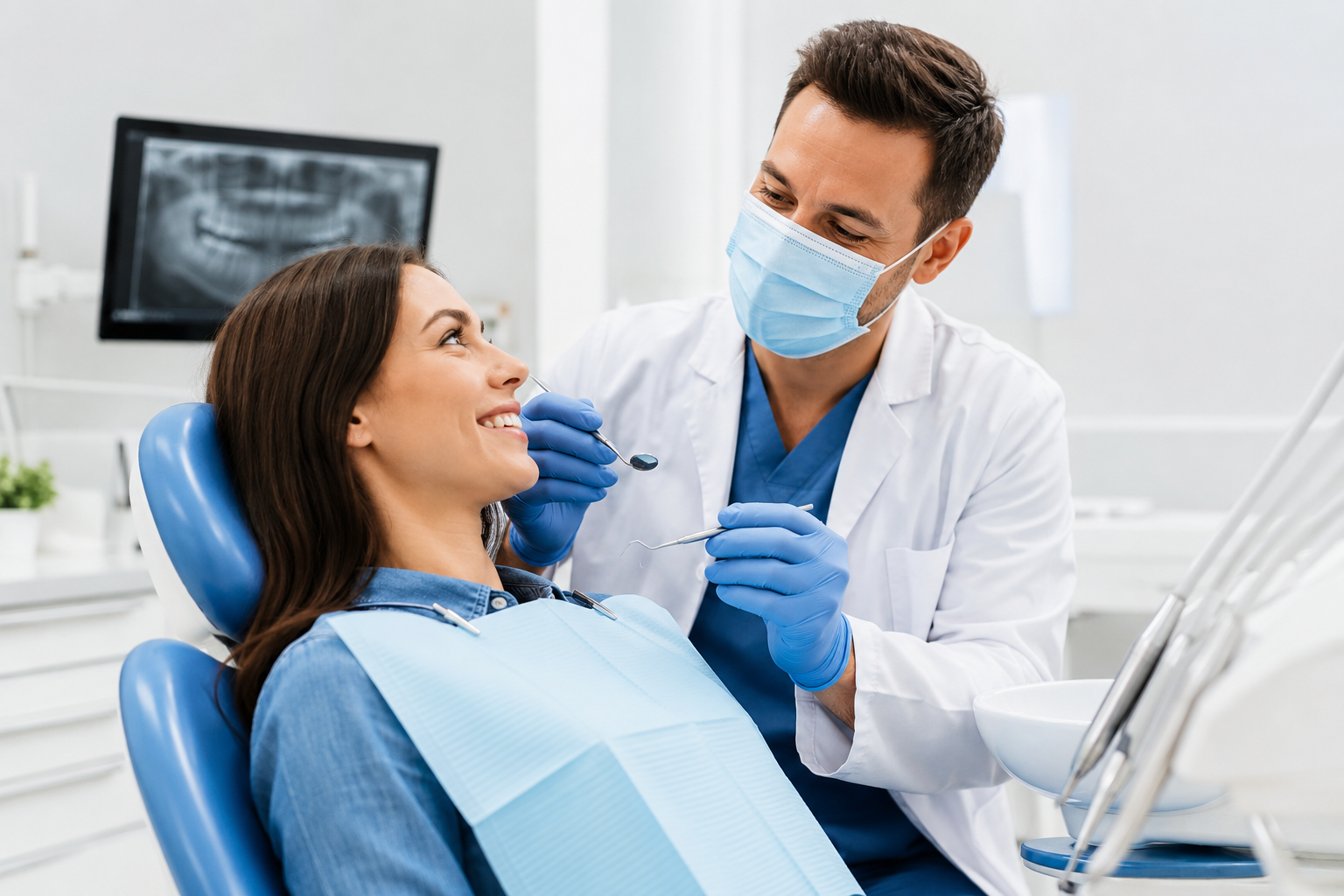
Patients should look for intense pain, uncontrolled bleeding, visible tooth loss, swelling that affects breathing or swallowing, or any injury with exposed bone or nerve. Quick identification and calm, specific actions can reduce pain, lower infection risk, and improve treatment outcomes.
Symptoms That Need Immediate Attention
Severe tooth pain that wakes someone from sleep or prevents eating often signals infection or nerve damage and needs prompt care. Sudden, sharp pain after biting hard food may indicate a cracked tooth that can worsen without treatment.
Profuse bleeding after trauma or tooth extraction that doesn’t slow within 15–20 minutes of pressure is an emergency. Swelling of the face or neck that impairs breathing, swallowing, or speaking requires same‑day evaluation.
A tooth knocked completely out (avulsed) or partially dislodged (extruded or luxated) qualifies as urgent. Fever with facial swelling, foul taste, or spreading redness suggests a dental abscess that can require immediate drainage and antibiotics.
Types of Urgent Dental Situations
Trauma: fractures, avulsions, and dislocations from falls, sports, or accidents need fast stabilization and repair. Enamel chips without pain can wait, but exposed dentin or pulp needs same‑day care.
Infections: periapical abscesses, cellulitis, and rapidly spreading oral infections can threaten systemic health. These often present with throbbing pain, fever, and systemic symptoms.
Bleeding and suture issues: uncontrolled post‑op hemorrhage, loose or missing sutures after oral surgery, and persistent bleeding disorders after dental procedures require urgent control. Painful orthodontic appliances causing soft‑tissue trauma also count.
Acute dental pain from cracked teeth, exposed roots, or lost restorations becomes urgent when pain is severe or function is impaired. Sudden swelling, numbness, or change in bite pattern indicates the need for immediate assessment.
How to Respond Before Seeing a Dentist
For bleeding, apply firm, clean gauze or a tea bag to the site and bite down for 15–20 minutes without peeking. If bleeding persists, seek emergency care or call the clinic.
For an avulsed tooth: handle by the crown, rinse briefly without scrubbing, and reinsert if possible. If reinsertion isn’t possible, keep the tooth moist in milk or saliva and reach a dentist within 60 minutes for best chances of saving it.
For swelling and infection, rinse gently with warm salt water every few hours and take recommended over‑the‑counter pain relievers. Do not apply heat if an abscess is suspected; cold packs reduce swelling and pain.
For broken restorations or sharp edges, cover the area with dental wax or sugar‑free gum to protect the tongue and cheek. Avoid chewing on the affected side and gather any fragments to bring to the dentist.
What To Expect During an Emergency Visit
Patients will find prompt, focused care that prioritizes pain control, diagnosis, and a clear plan for treatment or follow-up. Reception, exam, and immediate interventions usually happen in one visit to stabilize the problem.
Warm and Professional Patient Care
The front-desk staff greets patients quickly and confirms basic information and the reason for the visit. They often ask about current medications, allergies, and the onset and severity of the problem to prepare the clinical team.
A dental assistant escorts the patient to a treatment room with privacy and explains the flow of care. The dentist speaks directly and compassionately, listens to the patient’s symptoms, and answers questions in plain language.
If anxiety is present, the team offers calming measures such as a detailed explanation of each step, a blanket, or a short waiting period to reduce stress. Staff review payment options and insurance estimates up front so there are no surprises.
Assessment and Treatment Process
The dentist performs a focused oral exam, checking teeth, gums, bite, and soft tissues for signs of fracture, infection, or trauma. They use digital X-rays or bedside imaging when needed to confirm a diagnosis quickly.
After diagnosis, the dentist recommends immediate treatments to control pain or stop bleeding—examples include temporary crowns, tooth splinting, drainage of an abscess, or extraction if the tooth is non-restorable. Each option comes with a clear explanation of benefits, risks, and next steps.
The team documents findings and provides written aftercare instructions, including prescriptions, activity limits, and timelines for follow-up procedures. If specialist care is needed, the office arranges a referral and coordinates urgent transfer when appropriate.
Comfort Measures for Pain Relief
Clinics prioritize pain control using local anesthetic blocks for targeted numbness during procedures. For severe pain, short-term oral medications or a prescription for antibiotics (if infection is present) may be issued.
Topical agents and gentle suction reduce irritation during treatment. For patients with dental anxiety, offices commonly offer nitrous oxide or oral sedation options, explained in simple terms with consent obtained.
After the visit, patients receive a care sheet outlining over-the-counter options, recommended dosages, and when to call back for worsening symptoms. The team emphasizes clear contact instructions for after-hours concerns and schedules follow-up appointments to complete definitive care.
Available Emergency Treatments
This section explains immediate steps and common procedures used to stabilize injuries, control infection and pain, and restore damaged teeth quickly and safely. It focuses on practical actions patients can expect when they arrive for emergency care.
Handling Broken or Knocked-Out Teeth
When a tooth is knocked out, time matters. The clinic instructs patients to recover the tooth by the crown (not the root), rinse it gently with saline or milk if dirty, and try to reinsert it into the socket if possible. If reinsertion isn’t feasible, keep the tooth moist in milk or the patient’s saliva and get to the office within 30–60 minutes for the best chance of saving it.
For broken teeth, the dentist examines the fracture pattern and takes radiographs. Small chips often receive smooth bonding with composite resin the same day. Larger fractures that expose the nerve may need root canal therapy followed by a crown to restore strength and function.
Pain control uses local anesthesia and short-term analgesics; antibiotics are prescribed only when infection risk is high. The team discusses follow-up steps, like monitoring for root resorption and scheduling definitive restoration within days to weeks.
Treating Toothaches and Infections
Severe toothaches often signal pulp inflammation or dental abscess. The dentist performs a focused exam and X-rays to identify the cause—deep decay, cracked tooth, or periodontal abscess. Immediate goals are pain relief, infection control, and preserving the tooth when possible.
Treatment options include pulpotomy or root canal therapy to remove infected pulp, incision and drainage for localized abscesses, and extraction if the tooth can’t be saved. The clinician prescribes antibiotics (amoxicillin or clindamycin when penicillin-allergic) only for spreading infection, systemic symptoms, or compromised immunity. Analgesics such as ibuprofen or acetaminophen reduce inflammation and pain while definitive care proceeds.
The office provides clear post-treatment instructions: complete the antibiotic course if given, avoid chewing on the affected side, and return for definitive restoration or monitoring within the recommended timeline.
Managing Lost Fillings or Crowns
A lost filling or crown can expose dentin, cause sensitivity, and increase decay risk. The emergency visit prioritizes protecting the tooth and relieving discomfort. The dentist cleans the area, assesses the remaining tooth structure, and may reseat the crown temporarily with dental cement if it fits and the margins look sound.
If a crown cannot be reused, the tooth may receive a temporary filling to seal exposed surfaces and control sensitivity. For extensive loss, the clinician plans a permanent restoration—new crown, onlay, or post-and-core—after verifying there’s no active infection or root damage.
Patients receive instructions for at-home care: avoid sticky foods, use a desensitizing toothpaste, and bring the crown or filling to the appointment. The office coordinates expedited scheduling for permanent repairs and explains costs and material options to support informed decisions.
Modern Technology in Urgent Dental Care
This section highlights how faster, more precise diagnostics and less invasive treatments reduce pain and recovery time. Patients benefit from clearer images, quicker decisions, and options that preserve natural tooth structure.
Digital Diagnostic Tools
Digital X-rays and cone beam CT (CBCT) scanners deliver high-resolution images with far less radiation than traditional film. Dentists in Spring Branch use CBCT to map root fractures, impacted teeth, and jawbone density within minutes, guiding immediate treatment choices.
Intraoral cameras magnify problem areas and display them on a chairside monitor so patients see cavities, cracked teeth, or gum inflammation. Electronic apex locators and digital sensors provide exact measurements for root canal length, improving success rates for urgent endodontic care.
Practice management software ties diagnostic images to the patient chart and enables rapid insurance estimates. This integration shortens wait times and helps the team plan same-day procedures when needed.
Minimally Invasive Procedures
Laser dentistry and micro-preparation techniques remove decay while conserving healthy enamel and dentin. Lasers often reduce bleeding and swelling, so procedures like soft-tissue reshaping or treating minor infections cause less discomfort and heal faster.
Air abrasion and bonded composite restorations let dentists treat small to moderate cavities without anesthesia in some cases. When crowns are required, digital impressions create precise restorations in fewer visits using CAD/CAM milling — that often enables same-day crowns.
For acute infections, targeted local anesthesia and guided drainage using CBCT images direct efficient care. These methods prioritize pain control, faster recovery, and preservation of the natural tooth whenever possible.
How to Prepare for Dental Emergencies
Preparing ahead reduces panic and speeds effective care. Keep a simple kit and clear contact information in a single, easy-to-find place so help arrives quickly and treatment starts without delay.
Creating a Personal Dental First-Aid Kit
Assemble a portable kit stored in a labeled zip-top bag or small plastic container. Include:
- Gauze (sterile) — several squares for bleeding control.
- Nitrile gloves — one pair for handling wounds.
- Small container with lid — to hold an avulsed tooth in milk or saline.
- Saline solution or bottled water — for gentle rinsing.
- Pain relievers (acetaminophen or ibuprofen) — note any allergies.
- Temporary dental cement or orthodontic wax — to cover sharp edges or lost fillings.
- Tweezers and small mirror — for retrieving fragments and inspecting the mouth.
- Soft-bristled toothbrush and floss — for gentle cleaning after initial control.
Store the kit in the home medicine drawer and a duplicate in the car or diaper bag if children are present. Check expiration dates every six months and replenish used items immediately.
Storing Important Contact Information
Create a single-page contact sheet and save it in three accessible places: the refrigerator, your phone’s home screen (photo or contact card), and inside the first-aid kit. Include:
- Primary dentist — name, office phone, after-hours number, and address.
- Local emergency dental clinic (Spring Branch, TX) — 24/7 line if available.
- Nearest emergency room — address and direct line.
- Dental insurance — policy number and claims phone number.
- Primary care physician and a preferred pharmacy** — for prescriptions.
Add brief, specific instructions: “If tooth knocked out, hold by crown, rinse, place in milk or saline, call dentist immediately.” Keep a laminated copy near the phone and update contacts after any provider change.
Choosing a Trusted Local Dental Provider
Patients should look for a provider with clear emergency availability and verified credentials. Check online profiles for licenses, board certifications, and years of experience to confirm competence.
Reputation matters. Read recent patient reviews and ask neighbors or coworkers for recommendations to learn about wait times, bedside manner, and treatment outcomes.
Consider proximity and hours. A clinic close to Spring Branch with evening or weekend hours reduces delay during urgent problems. Teletriage options can help assess whether immediate in-person care is needed.
Verify services offered before arriving. Make sure the office handles common dental emergencies—toothaches, knocked-out teeth, broken restorations, and severe infections—and offers sedation or pain control if required.
Ask about payment, insurance, and upfront estimates. Transparent billing, emergency fees, and accepted insurers prevent surprises during stressful moments. Many practices provide flexible payment plans for unexpected costs.
Look for patient-centered care. Friendly staff, clear explanations, and a calm treatment environment indicate they prioritize comfort. Modern equipment and infection-control practices signal a commitment to quality.
Quick checklist:
- Licensed dentist with emergency experience
- Positive recent patient reviews
- Convenient location and extended hours
- Clear emergency services and pain management
- Transparent billing and insurance policies
They can call the clinic to confirm emergency procedures and ask specific questions before a visit. This helps ensure timely, comfortable care when it matters most.
Tips for Preventing Dental Emergencies
Encourage routine dental visits every six months to catch small problems before they become urgent. A quick exam and cleaning often stop decay and gum disease from progressing into pain or infection.
Recommend daily oral hygiene: brush twice with fluoride toothpaste and floss once. Simple habits lower the chance of cavities and loose teeth.
Advise wearing a mouthguard for contact sports or nighttime teeth grinding. Custom guards from a dentist fit better and protect teeth more effectively than store-bought options.
Suggest avoiding hard or sticky foods that can crack fillings or natural teeth. Cut tough items into smaller pieces and chew slowly to reduce risk.
Remind patients to stop using teeth as tools for opening packages or biting nails. Such actions cause chips and fractures that often require emergency repair.
Offer practical tips for home first aid: rinse with warm salt water for minor mouth cuts and save a knocked-out tooth in milk or saline. These steps can improve the chance of successful dental treatment if immediate care is available.
Encourage prompt attention to warning signs like swelling, severe pain, or persistent bleeding. Early contact with a dentist in Spring Branch, TX, often means simpler, less invasive solutions.
Provide contact options and office hours clearly so patients know where to go when an emergency arises. A quick call can guide next steps and ease anxiety about urgent dental needs.
Next Steps for Your Dental Health
They should call the dental office as soon as possible when pain, swelling, or bleeding occurs. If it’s after hours, the on-call number or emergency line gives instructions for immediate care.
They should gather relevant information before the visit: insurance details, list of medications, and a brief timeline of symptoms. Photos of the problem area can help the dentist triage the situation faster.
They should follow simple home measures while arranging care: rinse gently with warm salt water, apply a cold pack to reduce swelling, and avoid chewing on the affected side. Do not delay seeking professional care for persistent pain or signs of infection.
They should expect the office to assess the issue, take X-rays if needed, and explain treatment options clearly. Options may include temporary stabilization, antibiotics, pain control, or definitive procedures like a filling, root canal, or extraction.
They should ask about cost estimates, payment plans, and whether the clinic accepts their insurance. Clear communication about finances reduces stress and helps plan next steps.
They should schedule follow-up appointments focused on recovery and prevention. Regular checkups, cleanings, and personalized home-care advice help prevent future emergencies.
They should contact the clinic with any new or worsening symptoms after treatment. The dental team encourages questions and welcomes patients to call for clarification or to arrange prompt care.
Frequently Asked Questions
This section answers when a dental issue needs immediate attention, what emergency rooms can handle, and practical steps to protect teeth and gums before seeing a dentist. It gives clear, local-minded guidance for Spring Branch residents seeking urgent care.
What counts as a true dental emergency versus something that can wait until regular office hours?
A true dental emergency risks permanent tooth loss, uncontrolled bleeding, severe swelling that affects breathing or swallowing, or intense pain that cannot be managed with over‑the‑counter medicine. Examples include a knocked-out tooth, a deep fracture exposing the nerve, rapidly spreading facial swelling, or an injury that causes heavy bleeding.
Minor problems like a small cavity, mild tooth sensitivity, or a loose filling that doesn’t hurt can usually wait for the next available dental appointment. If discomfort increases, the situation should be reassessed and possibly moved to urgent care.
If I have severe tooth pain, can the emergency room treat it, or do I still need a dentist?
Emergency rooms can evaluate severe tooth pain, provide pain medication, and prescribe antibiotics if an infection is suspected. They typically cannot perform definitive dental treatments like root canals, extractions, or crown repair.
Patients with severe pain still need to see a dentist or an emergency dental clinic as soon as possible for diagnosis and definitive care. Call a local Spring Branch dentist or urgent dental service to arrange same‑day treatment when possible.
What should I do right away if a tooth gets knocked out or broken?
If a tooth is knocked out, pick it up by the crown (not the root), rinse gently with water if dirty, and try to reinsert it into the socket. If reinsertion isn’t possible, store the tooth in milk, saline, or the patient’s saliva and seek dental care within 60 minutes for the best chance of reimplantation.
For a broken tooth, rinse the mouth, apply a cold pack to reduce swelling, and save any broken pieces in milk or saline. See an emergency dentist the same day for assessment, pain control, and possible bonding, crown, or root canal treatment.
How can I manage a swollen gum, abscess, or dental infection safely until I’m seen?
Apply a cold compress to reduce external swelling and take acetaminophen or ibuprofen per label directions to manage pain unless contraindicated. Do not place aspirin directly on gums; it can burn soft tissue.
Avoid hot, hard, or very sweet foods and rinse gently with warm salt water (half teaspoon of salt in 8 ounces of water) several times a day. If you have fever, spreading swelling, trouble breathing, or difficulty swallowing, seek immediate medical attention or urgent dental care in Spring Branch.
What are my options if I need urgent dental care but don’t have a regular dentist yet?
Call local dental practices listed as offering emergency or same‑day appointments; many Spring Branch clinics reserve slots for urgent cases. Look for dental urgent care centers, mobile dentist services, or dental schools that accept emergency patients.
If you reach an after‑hours phone line, follow instructions to get an appointment or a phone triage. Use your insurance provider’s online directory or community health clinics for low‑cost urgent options if cost is a concern.
How quickly should I be seen for a lost filling, broken crown, or cracked tooth to avoid bigger problems?
Aim to see a dentist within 24–48 hours for a lost filling or crown to prevent recurrent decay, infection, or further damage. Cracked teeth that cause sharp pain when biting or expose the pulp need same‑day evaluation to preserve the tooth and avoid root canal therapy.
Temporary measures include covering exposed areas with dental cement from a pharmacy, avoiding chewing on the affected side, and keeping the area clean. Schedule an appointment with a Spring Branch emergency dentist promptly to restore function and prevent complications.