A confident smile can make everyday moments feel easier, from laughing with friends to speaking up at work. For many people, small concerns like stained teeth, chips, gaps, or uneven edges can affect how comfortable they feel showing their smile. The good news is that modern cosmetic dentistry offers a wide range of ways to improve the look of teeth while still supporting long-term oral health.
For patients exploring cosmetic dentistry options in Spring Branch, TX, it helps to understand what each treatment can do, how the process typically works, and what questions to ask before getting started. Every smile is different, so the best option depends on a person’s goals, oral health, budget, and timeline.
This article is for educational purposes only and is not a diagnosis or treatment plan. Anyone considering cosmetic dental care should consult a licensed dentist for personalized recommendations, risks, costs, and recovery expectations.
What Is Cosmetic Dentistry?
Cosmetic dentistry focuses on improving the appearance of the smile. That may include the color, shape, size, alignment, spacing, or overall balance of the teeth. While cosmetic treatments are often chosen for aesthetic reasons, many can also support better function and confidence in daily life.
For example, repairing a chipped tooth may help the smile look smoother, but it can also protect rough edges from further wear. Replacing an old, dark filling with a tooth-colored material may improve appearance while restoring structure. In many cases, cosmetic and restorative dentistry overlap.
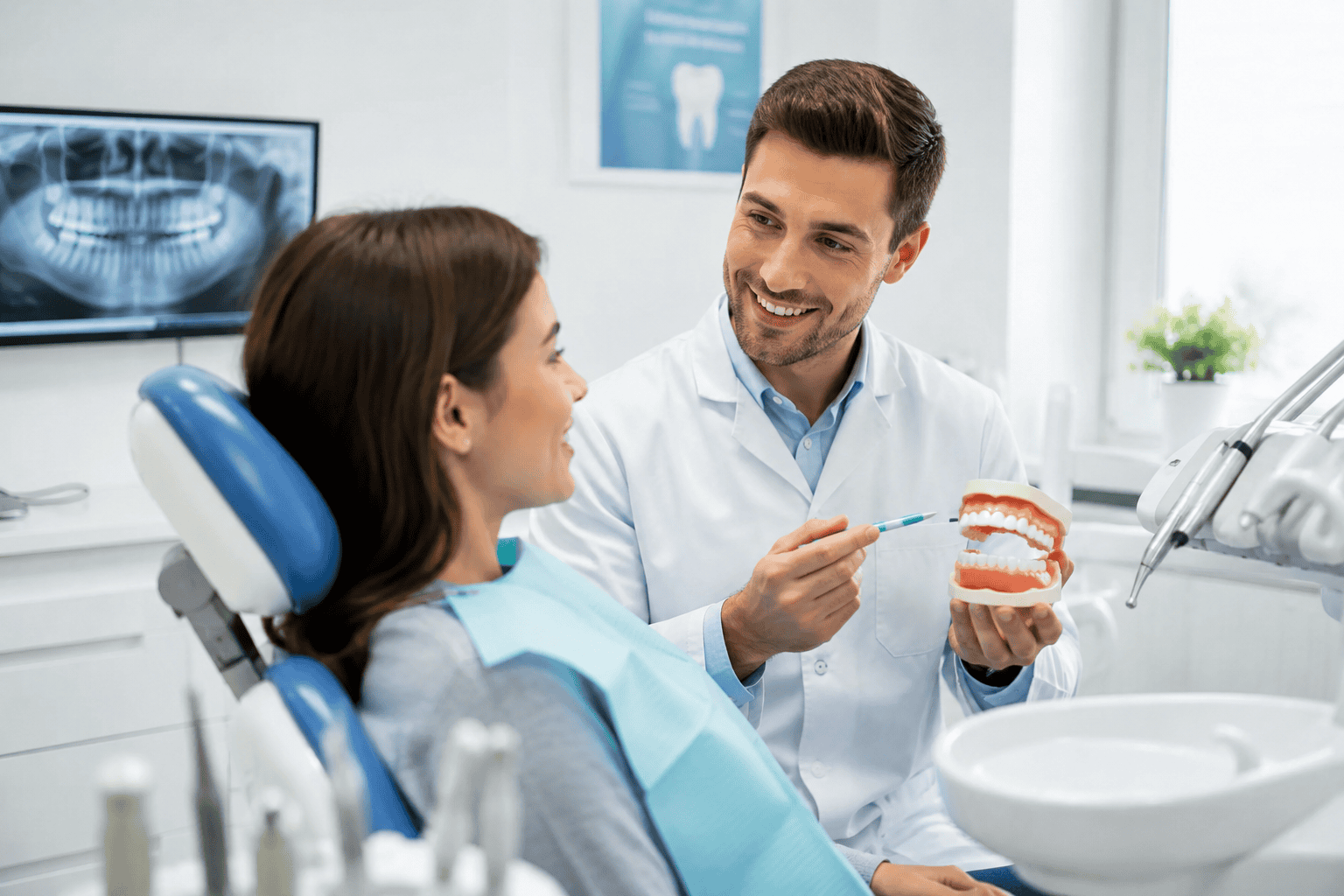
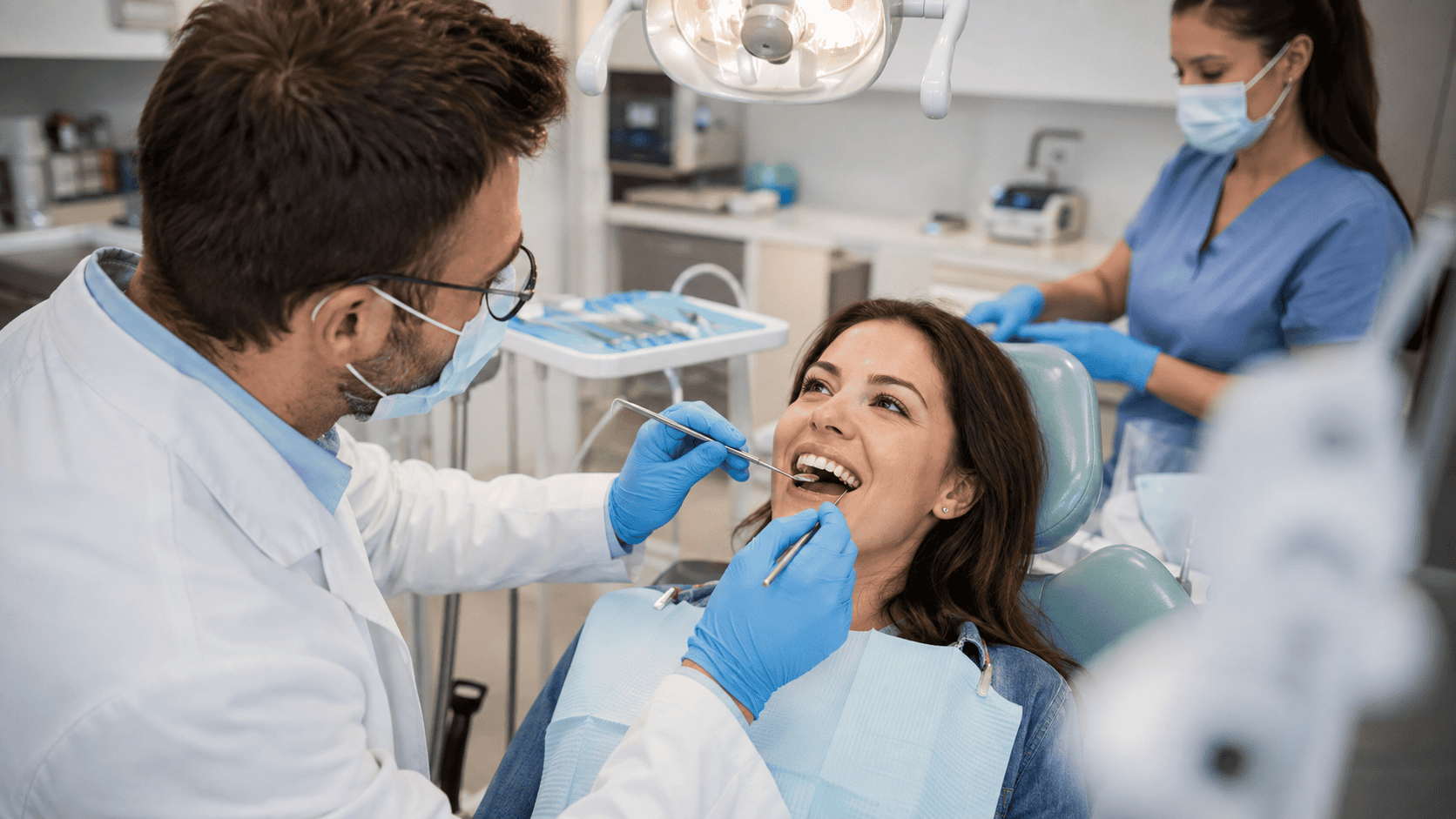
A thoughtful cosmetic dental plan usually begins with a complete exam. The dentist may evaluate the teeth, gums, bite, existing dental work, and oral hygiene habits. Healthy gums and stable teeth create the best foundation for cosmetic results that look natural and last as long as possible.
Common Reasons Patients Consider Cosmetic Dentistry
Patients visit a dentist for cosmetic concerns for many different reasons. Some want a brighter smile before a wedding, graduation, or professional event. Others have felt self-conscious about their teeth for years and are ready to learn what is possible.
Common smile concerns include:
- Yellow, brown, or gray tooth discoloration
- Small chips or worn edges
- Gaps between teeth
- Teeth that look uneven, short, or misshapen
- Crooked or crowded teeth
- Old dental work that no longer matches
- A smile that feels unbalanced or less youthful
These concerns are very common. A friendly consultation can help patients separate what they dislike about their smile from what can realistically be improved with modern dental care.
Teeth Whitening for a Brighter Smile
Teeth whitening is one of the most popular cosmetic dentistry options because it is simple, non-invasive, and can make a noticeable difference. Professional whitening treatments are designed to lighten stains caused by coffee, tea, red wine, tobacco, aging, and certain foods.
Compared with over-the-counter products, professional whitening is supervised by a dental team. This matters because not all discoloration responds the same way. Yellow-toned stains often whiten more predictably than discoloration caused by trauma, medications, or older dental restorations.
Is Whitening Right for Everyone?
Whitening works on natural tooth enamel, but it does not change the color of crowns, veneers, bonding, or tooth-colored fillings. That is why a dentist may recommend whitening before replacing visible restorations, so the new dental work can match the refreshed shade.
Patients with tooth sensitivity, gum irritation, cavities, or exposed roots should be evaluated before whitening. A dentist can suggest ways to reduce sensitivity and choose an approach that fits the patient’s comfort level.
Dental Bonding for Chips, Gaps, and Small Imperfections
Dental bonding uses a tooth-colored resin material to improve the shape or appearance of a tooth. The dentist carefully matches the resin to the surrounding teeth, applies it to the area, shapes it, and hardens it with a special light.
Bonding can be a helpful option for small chips, minor gaps, uneven edges, and areas of discoloration. It is often more conservative than some other treatments because little to no enamel may need to be removed, depending on the case.
What Patients Should Know About Bonding
Bonding is generally best for smaller cosmetic changes. The material can look very natural, but it may stain or wear over time, especially for patients who bite their nails, chew ice, grind their teeth, or drink a lot of dark-colored beverages. Good home care and routine dental visits can help maintain the results.
Porcelain Veneers for a More Dramatic Smile Change
Porcelain veneers are thin, custom-made shells that cover the front surface of teeth. They are often used to improve multiple cosmetic concerns at once, such as color, shape, length, spacing, and symmetry.
Veneers may be a good fit for patients who want a more noticeable smile transformation and have healthy teeth and gums. They can be designed to look bright and polished or soft and natural, depending on the patient’s preferences and facial features.
How Veneers Are Planned
Veneer treatment usually involves careful planning. The dentist may discuss the desired tooth shade, smile shape, and proportions. In some cases, digital images, impressions, or a preview model may be used to help the patient understand the proposed result.
Because veneers often require some enamel reshaping, they are considered a long-term commitment. Patients should ask about maintenance, possible replacement in the future, and whether habits like teeth grinding need to be addressed before treatment.
Tooth-Colored Crowns for Strength and Appearance
A dental crown covers the entire visible portion of a tooth. While crowns are often used to restore damaged or weakened teeth, they can also improve the appearance of teeth that are severely discolored, misshapen, cracked, or heavily filled.
Modern crowns can be made from tooth-colored materials that blend with the smile. The goal is to restore strength while creating a natural appearance. Crowns may be recommended when a tooth needs more support than bonding or a veneer can provide.
Cosmetic and Restorative Benefits
For patients comparing cosmetic dentistry options in Spring Branch, TX, crowns may be discussed when beauty and durability are both important. A dentist can explain whether a crown is appropriate or whether a more conservative option could achieve the desired result.
Clear Aligners and Orthodontic Options
Sometimes the best way to improve a smile is to gently move the teeth into better alignment. Clear aligners are a popular option for many adults and teens because they are removable and less noticeable than traditional braces.
Aligners may help with mild to moderate crowding, spacing, and bite concerns. Straighter teeth can also be easier to clean, which may support better gum health and cavity prevention over time.
Why Alignment Matters Before Cosmetic Treatment
In some cases, a dentist may recommend orthodontic treatment before veneers, bonding, or crowns. Moving teeth first may create a more balanced result and reduce the amount of tooth reshaping needed. This step can take more time, but it may lead to a healthier and more conservative cosmetic plan.
Gum Contouring and Smile Balance
The gums play a major role in how the smile looks. If the gumline appears uneven or if the teeth look shorter than expected, gum contouring may be discussed. This treatment reshapes small areas of gum tissue to create a more even frame around the teeth.
Not everyone is a candidate for gum contouring, and gum health must be evaluated first. A dentist may check for inflammation, periodontal concerns, tooth proportions, and the relationship between the teeth and gums before making recommendations.
Replacing Missing Teeth for a Complete Smile
Missing teeth can affect both appearance and function. Depending on the patient’s needs, options such as dental implants, bridges, or partial dentures may be considered to fill gaps and restore the smile.
Replacing missing teeth can help with chewing, speech, facial support, and confidence. It may also help prevent nearby teeth from shifting into open spaces. The right solution depends on bone support, gum health, the number of missing teeth, budget, and personal preferences.
Smile Makeovers: Combining Treatments Thoughtfully
A smile makeover is not one specific procedure. It is a personalized plan that may combine several cosmetic and restorative treatments to reach a patient’s goals. For example, one person may benefit from whitening and bonding, while another may need alignment, gum care, and veneers.
The best smile makeover plans look beyond appearance alone. A dentist should also consider bite function, enamel health, gum stability, jaw comfort, and long-term maintenance. A beautiful smile should not only look good in photos but also feel comfortable and support everyday oral health.
Questions to Ask During a Cosmetic Consultation
Patients can feel more confident by bringing questions to their appointment. Helpful questions include:
- Which cosmetic options are appropriate for this smile concern?
- Are there any dental health issues that should be treated first?
- How natural will the result look?
- How long might the treatment take?
- What maintenance will be needed at home?
- What are the risks, limitations, and alternatives?
- What costs should be expected, and are payment options available?
How to Choose the Right Cosmetic Dentistry Option
Choosing a treatment is not just about picking the fastest or most dramatic option. It is about matching the solution to the patient’s mouth, lifestyle, and comfort level.
Someone looking for a quick brightness boost may start with professional whitening. A patient with one chipped tooth may only need bonding. A person who wants to change the shape, color, and size of several front teeth may want to discuss veneers. If teeth are crowded or bite issues are present, aligners may be a smarter first step.
Budget and maintenance also matter. Some treatments may cost less initially but require more touch-ups over time. Others may involve a higher upfront investment but offer a longer-lasting solution when properly cared for. A dental consultation helps patients compare these details clearly.
Keeping Cosmetic Results Looking Their Best
Cosmetic dentistry works best when paired with strong preventive care. Even beautiful dental work needs daily maintenance. Brushing twice a day, flossing daily, and keeping regular dental cleanings can help protect both natural teeth and restorations.
Patients can also help preserve their results by limiting stain-causing drinks, using a straw when appropriate, avoiding tobacco, and wearing a nightguard if they grind or clench their teeth. It is also wise to avoid using teeth as tools to open packages or bite hard objects.
Routine dental visits allow the dentist to monitor cosmetic work, polish away surface stains, check the bite, and catch small concerns before they become bigger problems.
FAQ: Cosmetic Dentistry Options in Spring Branch, TX
What is the most affordable cosmetic dental treatment?
Teeth whitening and dental bonding are often among the more budget-friendly cosmetic options, depending on the patient’s needs. Costs vary based on the case, materials, and treatment plan, so patients should request a personalized estimate during a consultation.
How long do cosmetic dental results last?
Longevity depends on the treatment, oral hygiene, diet, bite habits, and routine dental care. Whitening may need periodic touch-ups, while veneers, crowns, bonding, and aligners each have different maintenance expectations. A dentist can explain what is realistic for the chosen option.
Does cosmetic dentistry hurt?
Many cosmetic treatments are comfortable and minimally invasive. Some procedures may involve local anesthetic, temporary sensitivity, or a short adjustment period. Patients who feel nervous should let the dental team know so comfort options can be discussed.
Can stained teeth always be whitened?
Not always. Surface stains often respond well to whitening, but internal discoloration, old restorations, or certain medication-related stains may need a different approach, such as bonding, veneers, or crowns. An exam helps identify the cause of discoloration.
Are veneers better than bonding?
Neither option is automatically better. Bonding can be excellent for small repairs and conservative changes. Veneers may be better for larger or longer-lasting cosmetic transformations. The right choice depends on the tooth condition, goals, budget, and desired durability.
Should cavities or gum disease be treated before cosmetic dentistry?
Yes. Cosmetic treatment usually works best on a healthy foundation. Cavities, gum inflammation, infections, or unstable teeth should be addressed before elective cosmetic procedures whenever possible.
A Confident Smile Starts With a Conversation
There are many cosmetic dentistry options in Spring Branch, TX, and the right choice is personal. Some patients need only a simple whitening treatment, while others benefit from a more detailed plan involving bonding, veneers, crowns, aligners, or tooth replacement.
Spring Branch Dental Care welcomes patients to ask questions, share their smile goals, and learn what options may fit their needs. A consultation is the best first step toward understanding what is possible, what is practical, and what will help support a healthy, confident smile for years to come.