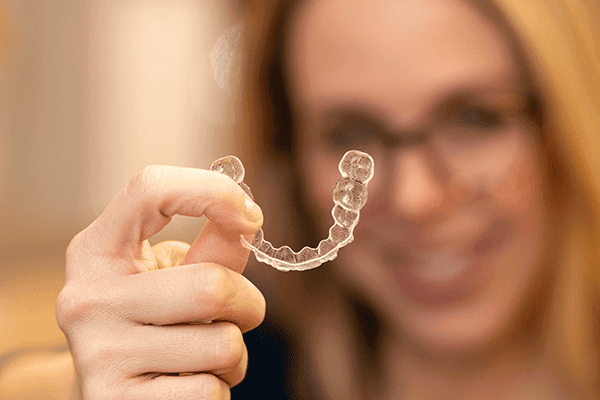
You’ll learn whether Invisalign in Spring Branch fits your budget and what affects the price so you can decide with confidence. Typical treatment in Spring Branch usually ranges from about $3,500 to $7,500, depending on case complexity, provider experience, and included services.
They will walk through factors that shift costs—like treatment length, attachments, and follow-up care—and compare Invisalign to braces and clear ceramic options to show where your money goes. Expect clear breakdowns of what’s included, insurance and payment choices, ways to save, and how to pick the right provider near you.
They make the process feel manageable by explaining long-term maintenance, realistic outcomes, and practical next steps for scheduling a consultation or getting a cost estimate from a Spring Branch practice.
Factors That Affect Invisalign Pricing
Several elements determine how much Invisalign costs in Spring Branch, TX. These include the complexity of tooth movement, how long treatment takes, and any custom services the patient chooses.
Severity of Alignment Issues
The more complex the tooth movement, the higher the cost. Mild crowding or small rotations often require fewer aligners and occasional refinements, so treatment can range at the lower end of typical Invisalign pricing. Moderate crowding, spacing, or bite discrepancies usually need more aligner sets and periodic adjustments, which raises the fee.
Severe cases—large bite corrections, significant rotations, crossbites, or combined orthodontic and restorative needs—often require attachments, auxiliaries like elastics, or staged treatment with refinements. Those cases demand more clinical time, additional aligners, and possibly multidisciplinary collaboration, all of which increase overall cost.
Insurance coverage and eligibility for orthodontic benefits often depend on severity; many plans cover part of treatment for medically necessary corrections but exclude purely cosmetic cases. A clinician’s initial exam and digital scan will clarify severity and produce a cost estimate tailored to the patient’s specific needs.
Treatment Timeline
Longer treatment equals higher cost in most practices. Standard Invisalign cases typically last 6–18 months; shorter treatments need fewer aligners and fewer office visits, lowering out-of-pocket expense. Extended treatments over 18 months require additional monitoring and aligners, increasing the bill.
Treatment tempo matters too. Accelerated protocols, like more frequent aligner changes or adjunctive procedures (e.g., interproximal reduction or enameloplasty), can speed outcomes but may add to the price. Missed appointments or poor aligner wear can prolong therapy and raise costs through extra refinements.
Payment plans factor into perceived cost. Many Spring Branch providers offer monthly financing with little or no interest, which spreads the expense without changing the total treatment fee. Upfront payment sometimes yields a discount, so patients should compare both options.
Customizations and Add-On Services
Add-ons create variability in price. Attachments (tooth-colored bumps), precision cuts for elastics, and use of auxiliaries like temporary anchorage devices increase lab and chair time, raising fees. Custom-milled aligners or premium material options may also cost more.
Digital extras—3D scans, treatment simulation videos, and frequent progress scans—improve predictability but can add to the price. Some offices include a retainers package in the fee, while others charge separately for clear or fixed retainers after active treatment.
Nonclinical services influence cost too. Whitening performed at the time of aligner delivery, additional hygiene visits, or expedited manufacturing for faster tray delivery all contribute to the final estimate. Patients should request an itemized quote so they understand which customizations are optional and which are necessary for their goals.
Comparing Invisalign Costs to Other Orthodontic Options
This section outlines how Invisalign typically compares on price, treatment length, and patient experience versus traditional braces and other clear aligners. It highlights typical cost ranges, factors that change price, and practical differences patients notice during treatment.
Traditional Braces Versus Invisalign
Traditional metal braces in Spring Branch, TX commonly range from $3,000 to $7,000 depending on complexity and practice. They often cost slightly less than Invisalign for comparable cases because brackets and wires remain a proven, lower-cost manufacturing option.
Braces can treat severe crowding and bite issues that sometimes require longer or more complex Invisalign plans. Adjustments occur every 4–8 weeks and sometimes need emergency visits for broken brackets, which can add small fees.
Patients pay for office visits, potential auxiliary appliances (rubber bands, expanders), and occasional repairs. Insurance often covers a portion of braces similar to Invisalign, but out-of-pocket differences depend on negotiated provider fees and available in-office financing.
Comfort and visibility differ: braces are fixed and can cause mucosal irritation initially, while Invisalign is removable and less visible. For adults prioritizing aesthetics, Invisalign’s premium often feels worthwhile despite the higher average cost.
Clear Aligners Versus Invisalign
Clear aligners include several brands; Invisalign typically costs between $4,000 and $6,500 in Spring Branch, while some alternative aligners cost $2,000 to $4,000. Price differences reflect software precision, aligner material, and provider involvement.
Invisalign uses proprietary SmartTrack material and ClinCheck 3D treatment planning, which can improve predictability and reduce refinement stages. Alternatives may use similar materials but sometimes rely on less detailed in-office oversight or remote monitoring, affecting outcomes for complex movements.
Treatment time varies: Invisalign and other clear aligners commonly run 6–18 months, but complex tooth movements (rotations, extrusions) can extend time and increase cost for refinements. Patients should compare included services: number of aligners, refinement policies, scans, and in-person visits.
For convenience, many patients prefer aligners for removability during eating and brushing. Those weighing cost versus results should ask providers for a full estimate, digital treatment plan preview, and expected number of refinement stages before deciding.
What’s Included in Your Invisalign Investment
This investment typically covers the full path from the first exam and digital records through every set of custom aligners and scheduled checkups. It also includes adjustments to the treatment plan, any necessary refinements, and instructions for at-home wear and care.
Initial Consultation and Scans
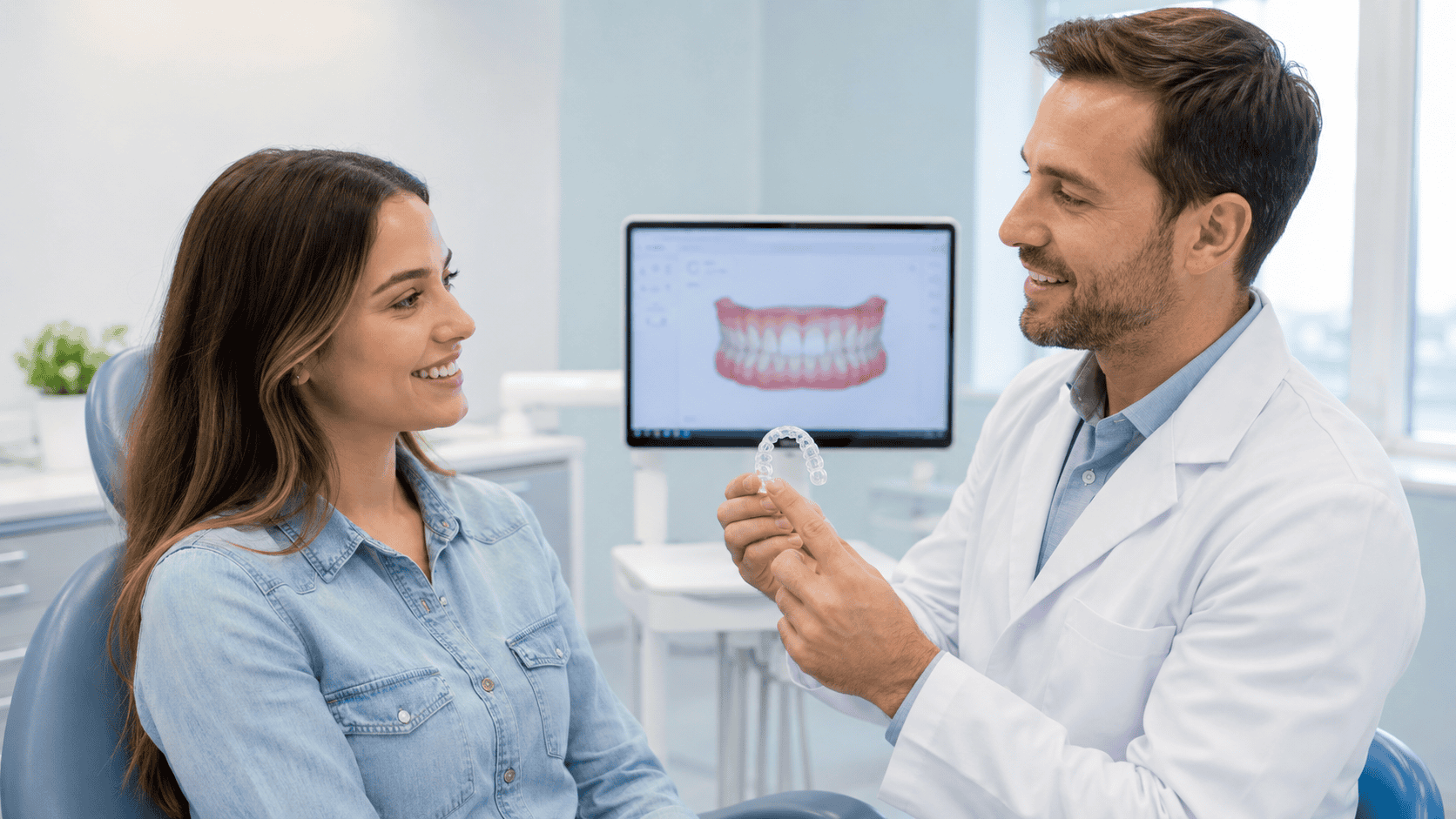
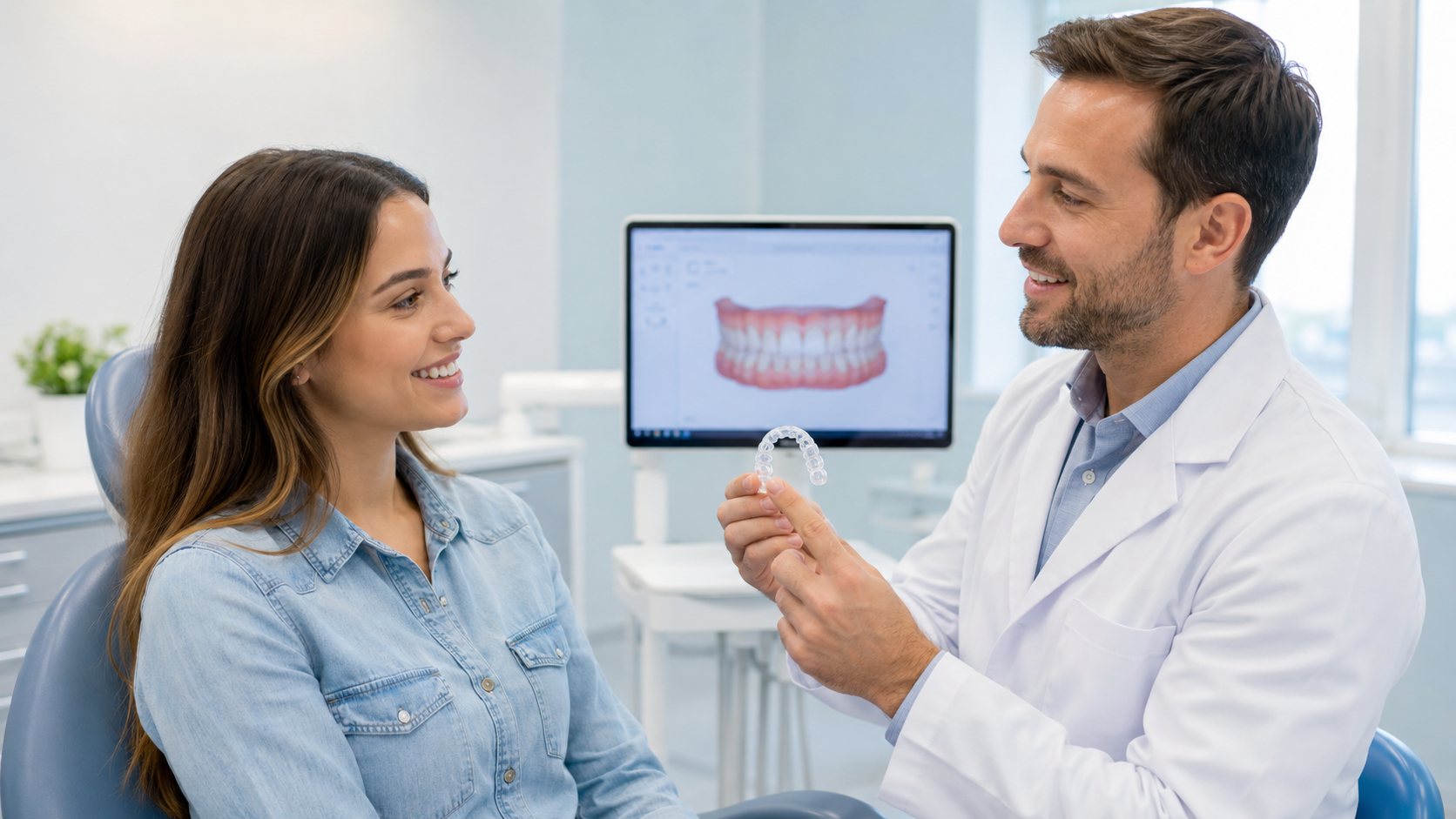
The initial visit begins with a comprehensive oral exam, dental and medical history review, and specific bite analysis. The provider takes high-resolution digital scans or a 3D mouth scan; these replace messy physical impressions and create an accurate virtual model of the teeth.
Those scans feed into a computer-generated treatment plan called a ClinCheck or similar simulation. That plan shows the step-by-step tooth movements, estimated timeline, and number of aligners needed. The dentist or orthodontist reviews the simulation with the patient, explains realistic outcome expectations, and documents any pre-treatment needs such as fillings, extractions, or attachments.
The clinic also records photographs and X-rays when needed to assess root position and bone health. Staff discuss financial options, insurance estimates, and a clear consent form that lists what is and isn’t included in the quoted fee.
Custom Aligner Trays
Custom aligners are manufactured from the digital treatment plan using medical-grade, BPA-free plastic. Each set is numbered and designed to move the teeth incrementally; patients typically change trays every 7–14 days as directed by the provider.
Aligners include precision attachments in some cases—small tooth-colored bumps bonded to teeth to help certain movements. These attachments and any optimized features like bite ramps are part of the standard package and fitted before treatment begins.
The quoted cost usually covers all aligner sets needed for the initial plan plus a reasonable number of refinements if final adjustments are needed. Replacement of lost or damaged trays may be covered for a limited number of occurrences or offered at an additional fee—policies vary by practice and should be checked up front.
Follow-Up Visits
Follow-up visits occur at regular intervals—commonly every 6–10 weeks—to monitor progress and provide new batches of aligners when scheduled. During these appointments the clinician checks tooth movement, fit, oral hygiene, and attachment integrity.
If the treatment deviates from the plan, the practice will order mid-course refinements or additional aligners; these refinement phases are typically included in the initial investment, though extensive revisions may carry extra charges. Staff also address comfort issues, offer wear-time reminders, and replace worn or broken attachments.
At the end of active treatment, the package often includes delivery of retainers or a plan to obtain them. Retainers preserve results; some practices include one set of retainers in the fee, while others offer them at an additional cost—patients should confirm this during the consultation.
Dental Insurance and Payment Options for Invisalign
Patients can often offset Invisalign costs with dental insurance, flexible in-office plans, or third-party financing. Each option has limits, typical out-of-pocket responsibilities, and paperwork requirements that affect total cost and timing.
Insurance Coverage for Invisalign
Many dental insurance plans classify Invisalign under orthodontic benefits, but coverage varies widely. Some employer-sponsored plans cover a percentage of orthodontic treatment — commonly 25% to 50% — up to a lifetime cap (often $1,000–$3,000). Other plans exclude clear aligners specifically or require documentation showing medical necessity.
Patients should request a preauthorization or predetermination from their insurer before starting treatment. That letter spells out covered amounts, deductible obligations, and any waiting periods. Bring the treatment plan and fee estimate from the Spring Branch provider when filing; this speeds claims and helps avoid surprise balances.
Verify whether the plan pays by reimbursement or direct payment to the dental office. If the insurer reimburses the patient, temporary out-of-pocket payment for the full treatment may be needed. Keep copies of itemized bills, CDT or CPT codes, and correspondence for appeals if a claim is denied.
Flexible Payment Plans
Many Spring Branch dentists offer in-office payment plans that break the total fee into monthly installments. Typical arrangements require an initial down payment (often 10%–25% of the total), followed by equal monthly payments over 6 to 24 months.
These plans are interest-free at many offices, provided payments stay current. Patients should confirm the length of the plan, late-payment penalties, and whether missed payments affect treatment progress. Ask whether adjustments, refinements, or retainers are included or billed separately.
Request a written payment agreement detailing the schedule, total financed amount, and what happens if insurance reimburses later. This protects both the patient and the practice and clarifies responsibilities for additional appointments or corrective work.
Financing Solutions
Third-party medical/dental lenders (CareCredit, LendingClub, etc.) provide longer-term financing for Invisalign with variable terms and interest rates. Promotional plans may offer 6–18 months interest-free if paid within the promotional window; otherwise, deferred interest can apply.
Compare APRs, repayment length, and total cost across lenders. Use the exact Spring Branch treatment estimate to calculate monthly payments and the final paid amount. Read the fine print for origination fees, prepayment penalties, and how returns or insurance reimbursements interact with the loan.
Patients with limited credit can often secure loans with a co-signer or choose smaller in-office plans to reduce the financed amount. The dental office’s financial coordinator can often run instant approvals and suggest the option that minimizes total cost and maintains comfortable monthly payments.
Tips for Maximizing Value and Savings
Patients can reduce out-of-pocket cost by using tax-advantaged accounts, scheduling treatment to match budgeting or insurance cycles, and asking the practice about discounts and flexible payment plans. Small choices—like confirming insurance benefits and timing the start date—often shave hundreds from the final bill.
Utilizing FSA and HSA Funds
Patients should confirm with their FSA or HSA administrator that orthodontic treatment qualifies for reimbursement before starting Invisalign. Most plans allow payment for aligners and related clinical visits, but a letter of medical necessity or an itemized estimate from the Spring Branch provider may be required for claims.
Have the dental practice produce an itemized treatment plan listing total cost, payment schedule, and CPT or CDT codes. These documents speed reimbursement and support pre-tax use of funds. If funds are limited for the plan year, splitting payments—paying a portion out-of-pocket and claiming the rest—can maximize usage before funds expire.
Ask whether the office accepts direct payment from the FSA/HSA debit card at each visit. For multi-phase cases, confirm how refunds or credits are handled if treatment changes. Clear communication with both the practice and your benefits administrator prevents denied claims and unexpected balance due.
Timing Your Treatment
Start by reviewing annual insurance benefits and deductible status in the months before a new plan year begins. Many insurance benefits reset January 1; beginning treatment late in the current year can allow applying that year’s remaining benefits and the new year’s benefits to the same treatment.
Schedule the initial consultation after determining deductible progress and annual maximums. If a patient has already met the deductible, beginning treatment sooner can lower immediate out-of-pocket costs. If not, delaying until after deductible meets or coordinating major payments across the calendar year can reduce total expense.
Ask the Spring Branch office about seasonal promotions, discounts for full upfront payment, and in-office financing with low or 0% interest. Practices often offer tiered payment plans tied to treatment milestones; aligning start dates with pay cycles or tax reimbursements can make monthly payments more manageable.
Choosing the Right Invisalign Provider in Spring Branch
Look for a provider who combines verifiable clinical results with attentive, patient-focused care; practical details like years treating Invisalign, use of digital scanning, and clear financial options matter most. Comfort measures, communication style, and follow-up protocols affect day-to-day treatment experience and long-term outcomes.
Experience and Credentials
They should list clear credentials: Invisalign provider status (e.g., Preferred, Premier), dental or orthodontic degree, and how many cases completed this year. A dentist who documents 200+ aligner cases and uses an intraoral scanner (Trios or iTero) demonstrates both volume and modern workflow that reduce chair time and improve fit.
Ask about continuing education: look for recent courses in clear aligner biomechanics or digital orthodontics from recognized organizations. Request before-and-after photos of cases matching the patient’s concern (crowding, spacing, bite correction). Confirm whether the practice does in-house minor tooth reshaping (IPR) or refers out for extractions or restorations, and whether they handle mid-course refinements without extra cost.
Patient Comfort and Care Approach
Evaluate communication: the practice should explain treatment time estimates, expected discomfort levels, and a clear schedule for check-ups and aligner changes. They should provide written care instructions, emergency contact procedures, and options for remote monitoring via apps or secure messaging.
Check chairside comforts and appointment logistics: short wait times, flexible scheduling, and a clear financial plan (insurance filing, monthly payment plans, and estimates of total out-of-pocket cost). Also confirm personalized pain-management strategies—acetaminophen/ibuprofen guidance, staging of aligner changes, and rapid access for sore spots or broken aligners.
Long-Term Results and Maintenance for Your Smile
Maintaining an aligned smile after Invisalign requires consistent retainer use and simple care steps. Patients should expect periodic check-ins with their provider and to follow clear daily routines to protect their investment.
Retainers and Aftercare
Retainers lock teeth into their new positions immediately after Invisalign treatment ends. Most providers prescribe an upper and lower retainer; commonly a clear bonded retainer (fixed wire behind teeth) for long-term stability and a removable clear or Hawley retainer for nightly wear.
Wear schedules often start with full-time use for the first 3–6 months, then transition to night-only wear indefinitely. Skipping nights or losing a removable retainer risks rapid relapse, especially in the lower front teeth. Clean removable retainers daily with a soft brush and gentle soap; avoid hot water and abrasive cleaners that warp plastic. For bonded retainers, maintain careful flossing with a threader or water flosser and see the dentist if the wire debonds or food traps persist.
Preserving Your Invisalign Results
Daily habits protect alignment and oral health over years. Continue twice-daily brushing with fluoride toothpaste, flossing once daily, and attending dental cleanings every 3–6 months based on gum health.
Avoid using teeth as tools (opening packages, biting nails) and limit hard, sticky foods that stress restorations or bonded wires. If a retainer breaks or feels loose, call the Spring Branch provider promptly to prevent shifting; many offices offer same-week repairs or replacement. Consider a nighttime retainer order as a backup to reduce downtime if loss occurs. Regular photos or periodic aligner-level checkups help the clinician spot minor movement early and recommend adjustments before major relapse develops.
Next Steps on Your Journey to a Confident Smile
Patients should schedule a consultation with a Spring Branch orthodontist or dentist who offers Invisalign to get an accurate cost estimate and treatment plan. The provider will review X-rays, take digital scans, and discuss goals and any dental concerns.
They’ll explain financing and insurance options in plain terms. Common choices include in-office payment plans, third-party dental financing, and use of FSA/HSA funds; each option affects monthly cost and total out-of-pocket expense.
A short timeline helps set expectations: initial consult and scans usually take one visit, aligner fabrication takes one to three weeks, and active treatment runs from several months to about two years depending on complexity. Regular checkups every 6–10 weeks keep progress on track.
Patients can prepare by gathering recent dental records and a list of medications or prior orthodontic work. Good oral hygiene and addressing cavities or gum issues before starting treatment help avoid delays.
Costs often vary; use this quick checklist to guide the conversation with the provider:
- Ask for a detailed written estimate (total cost, what’s included, extra fees).
- Confirm insurance coverage and how much the plan will pay.
- Request monthly payment plan examples and any available discounts.
They should feel comfortable asking questions about discomfort, wear-time expectations, and follow-up care. Encourage booking a consultation to review personalized options and start planning the next steps toward a more confident smile.
Frequently Asked Questions
This section answers common cost and treatment questions for Invisalign in Spring Branch, TX, including what drives prices, typical ranges, short-term plans, payment options, and how specific bite issues affect fees.
What factors affect the total price of Invisalign treatment near me?
Treatment complexity drives most costs. Minor tooth movement needs fewer aligners and less clinical time; complex cases require more aligners, attachments, and refinements.
Provider experience and technology matter too. Highly trained Invisalign providers and offices that use digital scanners or 3D treatment planning often charge more.
Geographic location and office overhead influence fees. Practices in Spring Branch with higher rent or staffing costs may set higher prices than clinics in lower-cost areas.
What is the typical price range for Invisalign in Texas, and what does it usually include?
In Texas, most full-course Invisalign treatments range from about $3,000 to $7,500. Typical inclusions are diagnostic records, initial aligner series, periodic checkups, and a set number of refinements if needed.
Some offices add fees for attachments, IPR (interproximal reduction), or retainers; others bundle those services. Always ask for a written treatment plan that lists what’s included and any potential extra charges.
Is paying around $5,000 for Invisalign considered normal for most cases?
Yes. Around $5,000 falls near the mid-point of the common price range for full Invisalign treatment in Texas. It often reflects moderate complexity and a provider with solid experience.
Lower prices can indicate limited services or less experienced providers; higher prices typically reflect advanced training, technology use, or complex cases.
How much does a short Invisalign plan (about 3 months) usually cost, and who qualifies for it?
Short-term plans for cosmetic alignment commonly cost between $1,500 and $3,500. These plans target mild crowding or spacing and typically use fewer aligners.
Candidates usually have minor aesthetic concerns and stable bite relationships. A clinical exam and treatment simulation will determine whether a three-month plan can meet patient goals.
Do most dental offices offer monthly payment plans or financing for Invisalign, and what should I expect?
Yes, most practices offer monthly payment plans or partner with third-party dental financing companies. Typical options include no-interest plans for short terms or low-interest plans over 12–36 months.
Patients should expect a down payment or initial fee in many plans. Always compare APRs, total paid over time, and whether the plan covers refinements or retainers.
Can Invisalign correct an underbite, and does that change the overall cost?
Invisalign can correct mild to moderate underbites in many adult and teen patients. Correction often requires elastics, attachments, and careful staging, which can increase treatment time and cost.
Severe underbites may need orthognathic surgery combined with orthodontics; that significantly raises overall costs. A specialist consultation will clarify prognosis, required procedures, and the financial impact.